AI copied my drawing? A hot potato for the future.
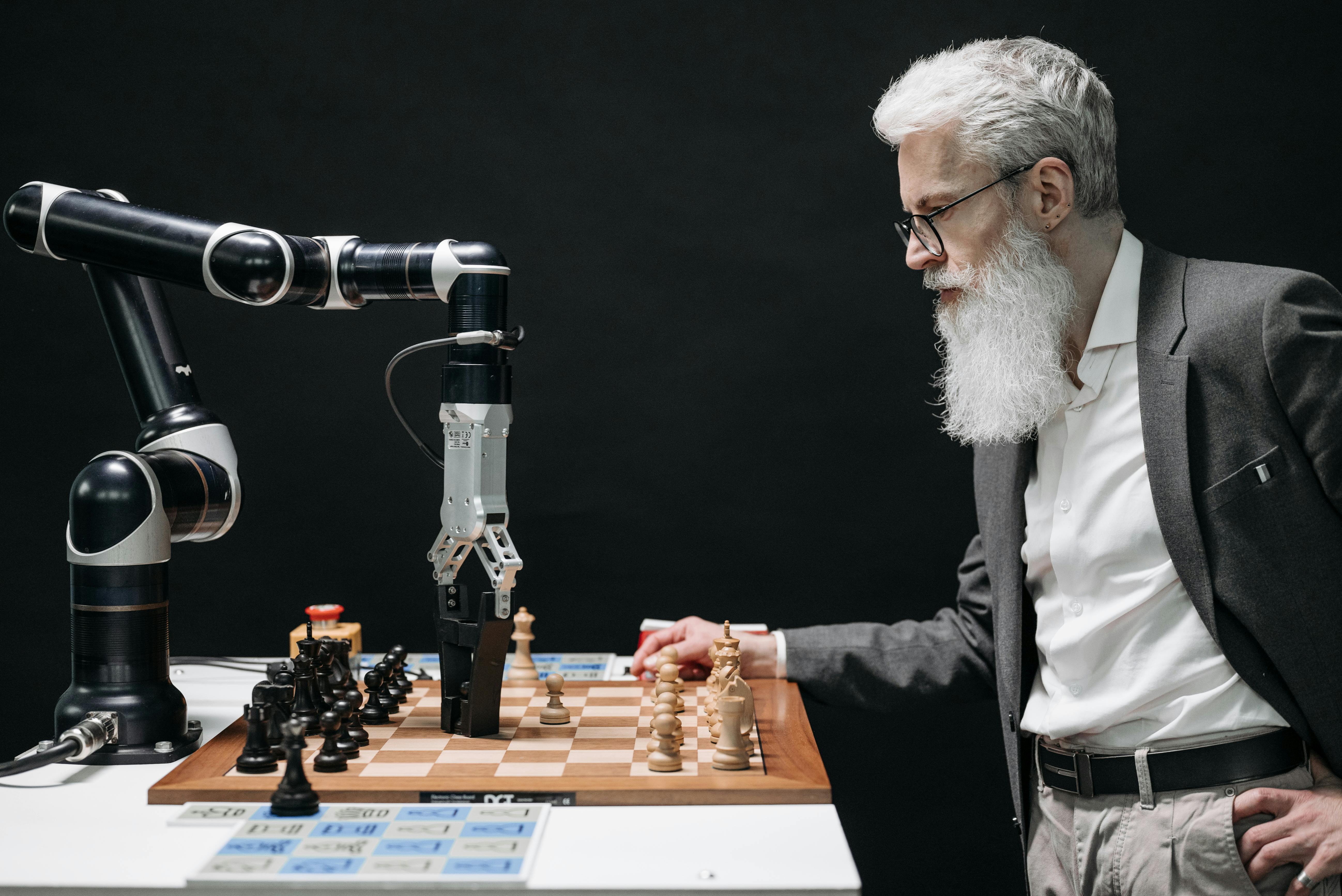
Recent events that have rocked the art and literary worlds are making daily headlines. A work created using the artificial intelligence (AI) image generator "Midjourney" proudly won first place in an American art competition, while novels and essays written in mere seconds by ChatGPT are garnering admiration. Machines are truly entering the arena of "creation," once believed to be a uniquely human domain.
This situation has raised a thorny and intriguing question worldwide: "So who exactly is the 'owner (copyright holder)' of these breathtaking AI-generated images and texts?" This issue is a prime topic of debate, transcending mere squabbles over a rice bowl. It encompasses philosophical reflections on the future direction of industry and human creativity. As GOLA users who love intellectual dialogue and debate, we couldn't miss this compelling topic. In today's column, we provide a concise analysis of the three key issues surrounding AI copyright.
The Origin of the Issue: The Fatal Limitations of Current Copyright Law
To solve this problem, we need to delve into the legal code. However, most countries, including Korea, currently have one fundamental principle in their copyright laws: "A work must be a creative work expressing 'human' thoughts or emotions." A famous case where a monkey accidentally snapped a selfie and was denied copyright illustrates this point.
But AI is far more than a monkey's random shutter click. It generates results based on highly engineered algorithms and vast amounts of data. It's impossible to simply insist on current law and declare, "Copyright is unconditionally unacceptable because they're not human!" This market is already entangled with so much capital and human effort. So what are the realistic alternatives? Three main positions are in sharp conflict.
Three Conflicting Positions Surrounding AI Copyright
Position 1: "He who sets the stage is the owner!" - AI Developer (Platform) Ownership Theory
The first to speak out are the developers and companies that created and trained the innovative tool known as AI. Their logic is quite persuasive. They argue, "We spent hundreds of billions of won on development and supercomputers to train AI. We didn't just create the brushes and paints; we created the artist who created the painting. Therefore, we should also have some rights to the resulting work." This strongly supports the industrial logic that if developers aren't given the proper rights and profits, why would any company invest significant resources to develop better AI?
Position 2: "The director's intention is everything!" - User (prompt engineer) ownership theory
On the other hand, users who type commands to AI on the keyboard have a completely different perspective. They compare AI to advanced tools like a powerful camera or Photoshop. While Canon or Nikon may have created the camera, they argue that the photographer who selected the subject, set the lighting and composition, and pressed the shutter holds the copyright. Depending on the user's combination of words (prompts), in what order, and the level of detail in their instructions, the resulting results can vary greatly. Therefore, since human creative planning and intention were involved, the user who entered the prompts is considered a legitimate creator.
Position 3: "It's nobody's business!" - The Public Domain and Deep Learning Opposition
The final position points to a more fundamental problem. The argument is that the AI is capable of creating such stunning images because it "unauthorizedly" learned (crawled) from millions of existing artists' artworks available online. It's absurd to claim exclusive copyright for a patchwork of data scraped without the consent of the original creators. Therefore, a strong voice is gaining ground, arguing that all AI-generated works should be considered "public goods," freely available to anyone, rather than owned by a specific individual.
A question without a right answer, which makes our discussion all the more valuable.
Which side do you lean most towards? Perhaps you nodded while reading, thinking, "The developers are right, and the users have a point..." That's a natural reaction. This issue is uncharted territory, uncharted territory for humanity, and an ongoing problem with no definitive answer.
In times of transition like this, when laws and systems cannot keep pace with technological advancements, the fierce and rational debate among citizens shines brightly. What if we addressed this topic on the GOLA platform? I'm already looking forward to the diverse arguments and rebuttals that will emerge from the perspectives of users majoring in the arts, working in the IT industry, and ordinary students and office workers. In an age where we struggle to find the right answers, each and every comment you leave on GOLA can become a valuable cornerstone in designing future laws and systems. Join the discussion board now and share your insightful opinions!