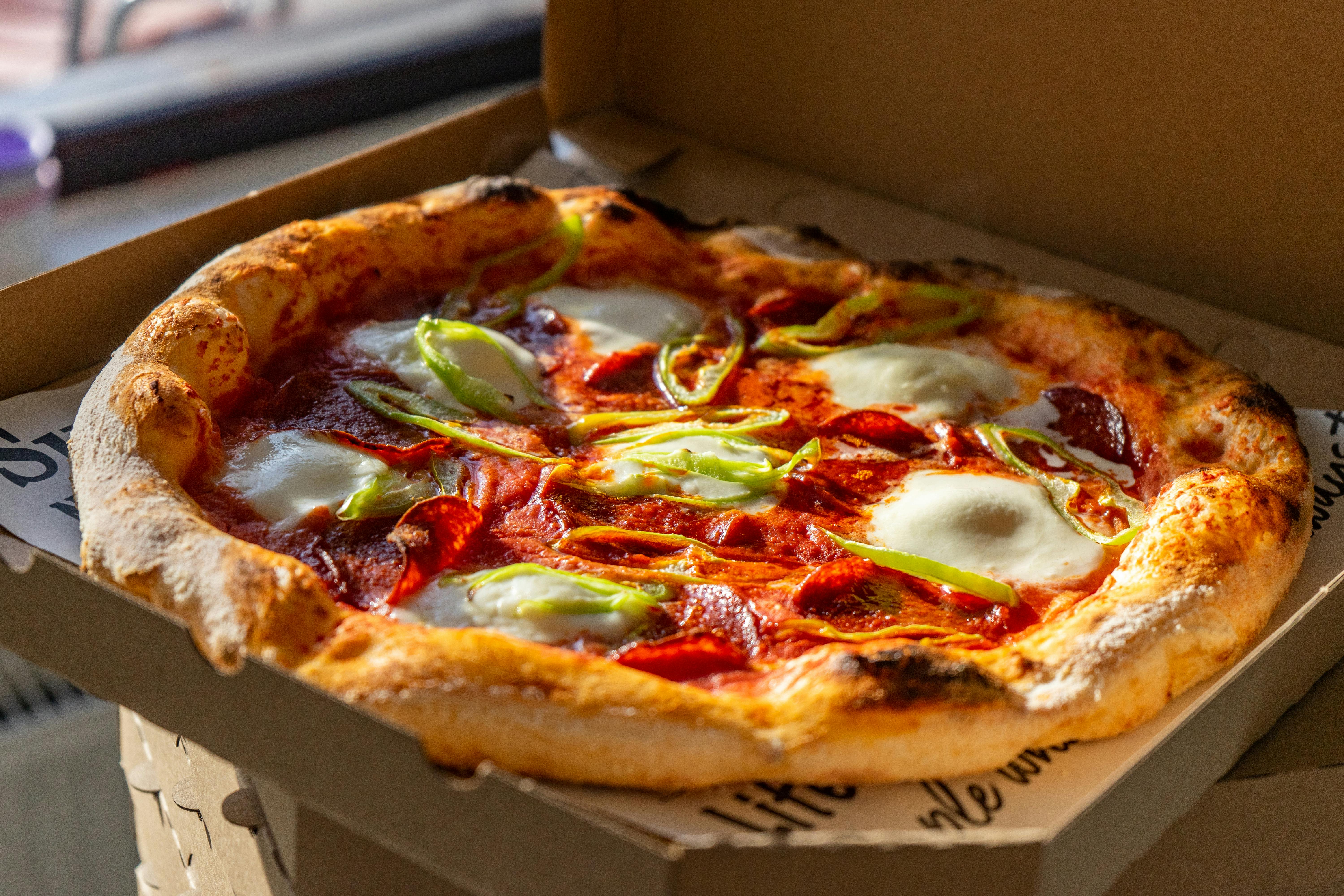
The Eternal Dilemma of the Delivery App Era
The delivery app, now deeply embedded in our lives, offers convenience but also presents new conundrums. The moment of conflict between 'minimum order value' and 'delivery fee' is a familiar scene for everyone. If you just want one serving of tteokbokki but the minimum order is 15,000 KRW, is it more advantageous to add gimbap and sundae to reach 15,000 KRW rather than paying a 3,000 KRW delivery fee? Or is it wiser to order just what you need and coolly pay the delivery fee as the price of convenience? This question goes beyond mere money; it's an intriguing topic that delves into our consumer psychology and values. Today, at GOLA, we explore this eternal dilemma in depth, pondering together what your wise 'GOLA' might be.
Is it Rational Spending or Smart Future Preparation? The Logic of 'Adding Extra Menu Items'
The act of forcibly adding menu items to meet a minimum order might seem irrational at first glance. However, there's a rather compelling logic hidden beneath. It's rooted in the psychology of trying to get more value by converting money that would otherwise disappear as a delivery fee into actual food.
Economic Satisfaction and Psychological Comfort
Paying a delivery fee is a cost that vanishes the moment it's paid. In contrast, adding food brings a tangible asset into your hands, providing a sense of satisfaction that you've avoided a situation where 'the belly is bigger than the main course.' For example, instead of paying a 4,000 KRW delivery fee, spending 9,000 KRW in total by adding 5,000 KRW worth of fried items gives greater psychological satisfaction from gaining 5,000 KRW worth of food than from letting 4,000 KRW fly into thin air. This act offers self-justification as 'rational consumption' and a small sense of victory for not being a 'hogu' (a pushover). The instinctive thought that it's better to gain something rather than letting money vanish is often enough to persuade us.Investment for the Future, Discovery of Diverse Cuisines
Added food isn't merely an immediate overindulgence. Leftover food can be stored in the refrigerator and used for lunch or a late-night snack the next day, becoming 'future provisions.' It becomes an investment for the future beyond immediate consumption. It can serve as a snack for unexpected guests or emergency rations for sudden hunger pangs. Furthermore, the pressure of a minimum order can lead us to explore side dishes or drinks we wouldn't normally try, resulting in the delightful experience of discovering an unexpected 'dish of a lifetime.' This can be seen not just as impulsive buying, but as a smart choice to prepare for unpredictable situations and an opportunity to broaden one's culinary horizons.The Cost of Convenience or Unnecessary Waste? The Value of 'Paying the Delivery Fee'
On the other hand, the consumption style of ordering just what's needed and coolly paying the delivery fee focuses on the intrinsic value of delivery service: 'convenience.' It reflects an attitude of reducing unnecessary waste and respecting one's time and the environment.
The Shadow of Waste Threatening Environment and Health
When trying to meet minimum order values, people often order excessive amounts of unwanted food. The problem is that much of this food ends up being discarded. Food waste is a serious issue that goes beyond individual financial waste, leading to the waste of societal resources and environmental pollution. According to the FAO, one-third of the world's food is wasted annually. Wasting food and burdening the environment to save a few thousand won in delivery fees is, in the long run, never a wise choice. Moreover, the thought of 'it's a waste to leave food' can lead to forced overeating, causing health problems such as indigestion and obesity.Respecting Time and Intrinsic Value: Smart Consumption
A delivery fee represents more than just the cost of transporting food. It's a legitimate price for 'instant gratification' and 'ultimate convenience' – having cooked food delivered to your desired place at your desired time. Considering that you don't have to go to the restaurant yourself, and you save time cooking and washing dishes, the delivery fee can be interpreted as an investment in the intrinsic value of a premium service that saves time and effort. When you consider the inconvenience of adding extra menu items that take up refrigerator space and later require reheating or disposal, what seemed like an instant gain can ultimately lead to a waste of time and space. Ordering only what you need and paying a fair price for that convenience might actually be the attitude of a smart consumer who respects their own value.Finding Your Own 'GOLA': The Path of the Smart Consumer
Ultimately, whether to 'fill the minimum order amount' or 'coolly pay the delivery fee' when ordering delivery food is a matter of choice that varies according to individual values and priorities. One side emphasizes practical values such as economic satisfaction and future preparation, while the other values environmental protection, health, and time. Rather than definitively stating which is right or wrong, it is important to find the optimal balance considering your own spending habits and circumstances. Sometimes, you might add a side dish because the delivery fee seems wasteful, and other times, you might pay the delivery fee because you simply want to have a quick meal. The important thing is not unconscious consumption, but understanding the reasons and values behind your choices. GOLA is a space to ponder and discuss intriguing dilemmas deeply embedded in our daily lives, just like this one. Which 'GOLA' will you choose? Share your thoughts and experiences in the comments and participate in a lively discussion.