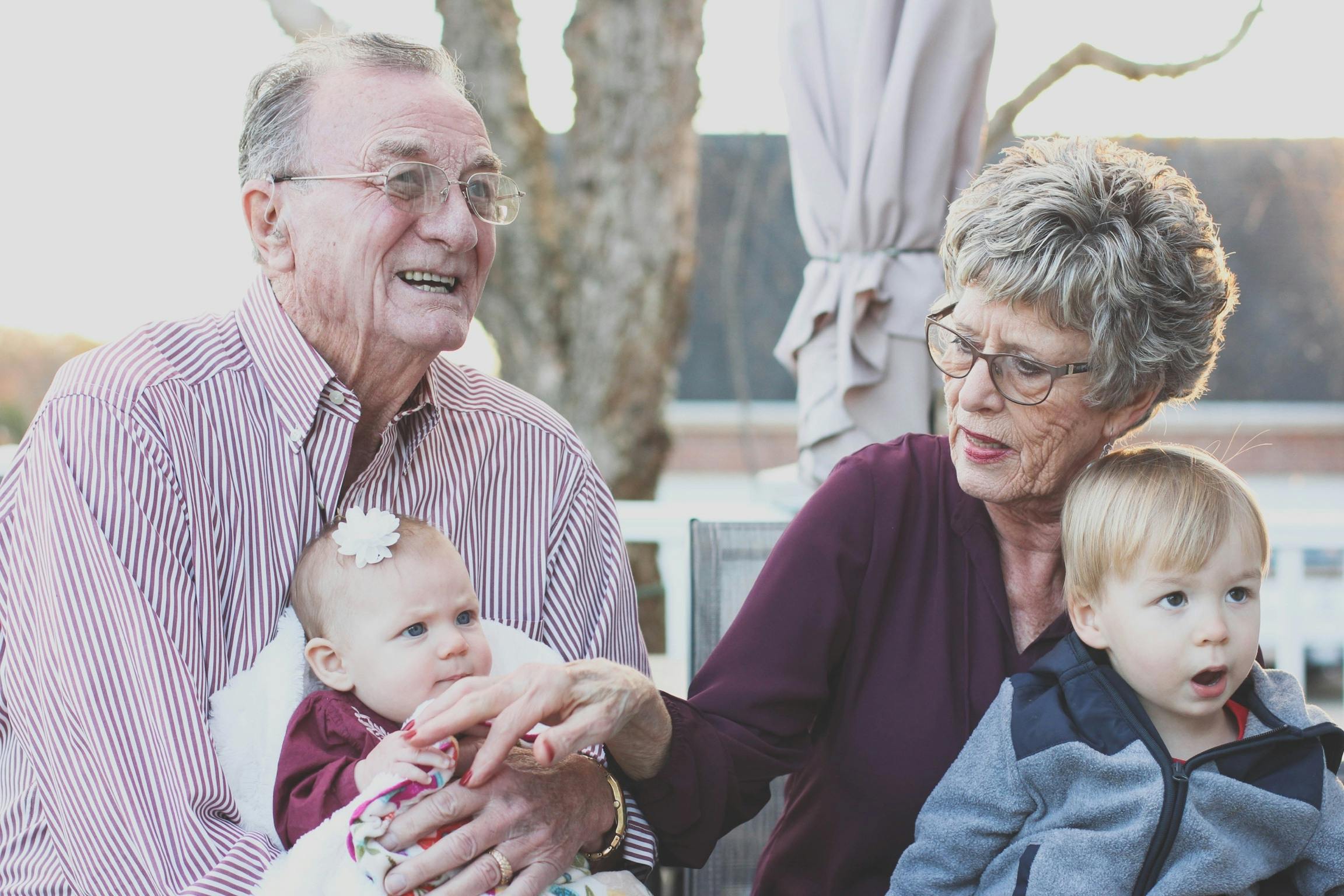
The Super-Aged Society: Our Unavoidable Reality
Our society is entering a super-aged phase at an unprecedented pace. In the blessing of a 100-year lifespan, the issue of 'care' – ensuring our beloved parents and neighbors can live their later years with dignity – has transcended the family sphere to become a national and societal challenge. However, the question of who and how to bear these enormous care costs remains a heated debate in our society.
At this juncture, with arguments for 'essential social maintenance costs' versus 'unfair sacrifice' vehemently clashing, we invite you to engage in a deep discussion on this issue within our high-quality debate community, GOLA.
Why Have Care Costs Become a Burden for the Younger Generation?
In the past, elderly care was primarily considered the responsibility of the family, especially children. However, the combination of nuclear families, increased female participation in the workforce, and an explosive rise in the elderly population has pushed traditional care systems to their limits. Furthermore, advances in medical technology have extended life expectancy, increasing both the duration and intensity of care needed.
While the state is expanding public care systems to respond to these changes, securing financial resources is a difficult problem. Consequently, a structure is emerging where the burden is transferred to all citizens, particularly the younger generation who form the backbone of economic activity, in the form of taxes or social insurance premiums. This places the younger generation in a deep dilemma between investing in their own future and bearing the care costs for the current elderly generation.
Is it an 'Essential Social Maintenance Cost'?: The Pro-Arguments
Some argue that elderly care costs in a super-aged society are not a burden on the younger generation but rather a 'future insurance premium' and 'essential investment' for a sustainable society. This perspective emphasizes the value of community survival and intergenerational solidarity.