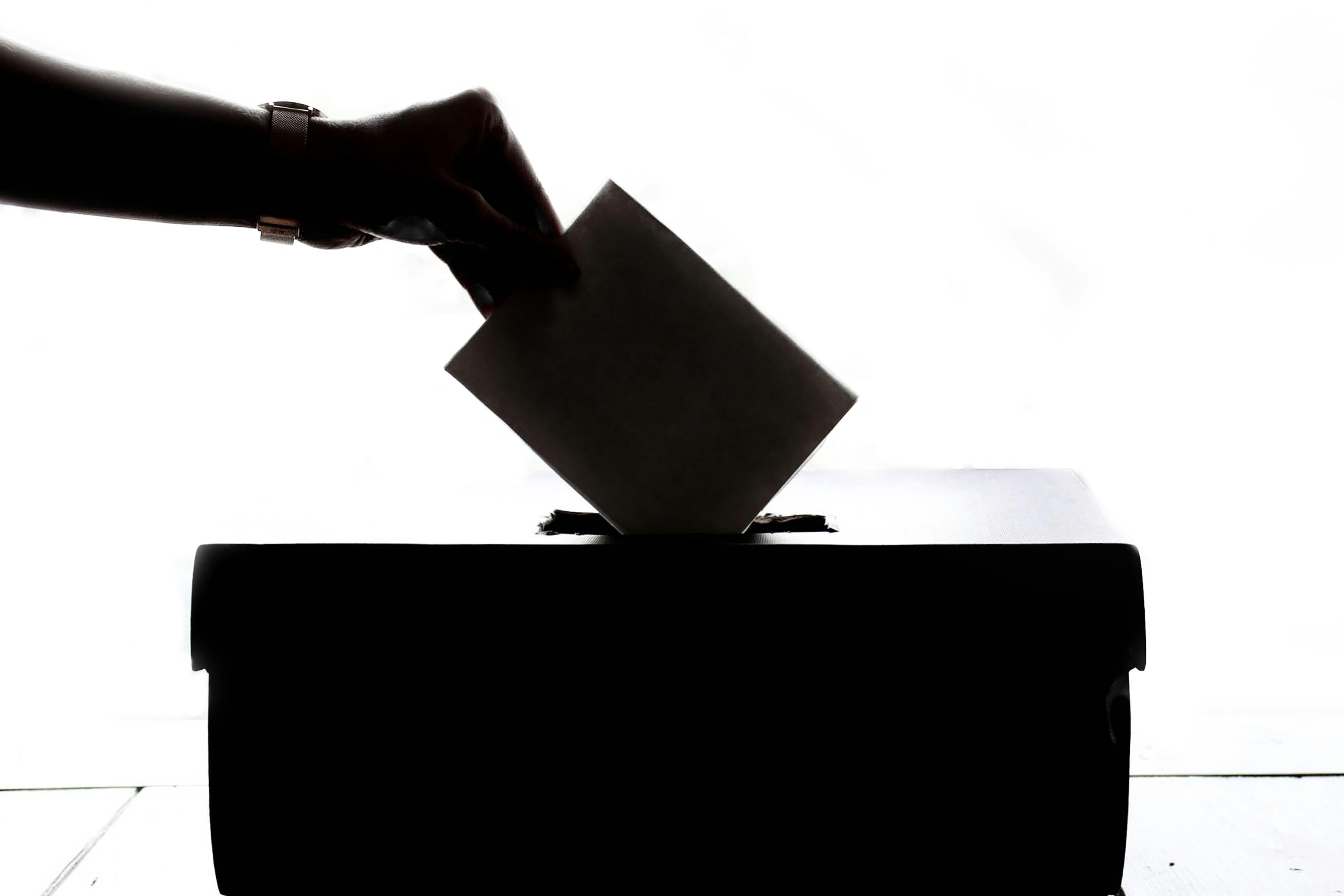
The Shadow of Democracy: The Never-Ending Election Fraud Controversy
After every election, our society faces a burning question: Were our precious votes counted accurately? Was there any unfair intervention in the electoral process? These 'election fraud allegations' are not merely the complaints of a specific faction; they often escalate into serious issues that can shake the very foundation of democracy. Assertions that such allegations are 'legitimate oversight to protect democracy' clash fiercely with claims that they are 'a disgraceful defiance that denies election results.' Today, GOLA (Choose) aims to deeply explore both sides of this complex and sensitive topic, prompting us all to consider what perspective we should adopt for a healthy democracy.
Rational Doubt, the Blade Guarding Democracy
Voters' Right and Duty: System Oversight
In a democracy, voting transcends the mere act of casting a ballot; it is a sacred act that confers legitimacy upon state power. If there is even the slightest doubt about this process, citizens naturally possess the right and duty to demand the truth. The very question, 'Is this truly my right?', is a crucial step in confirming the health of democracy. The oversight and checks on power are fundamental principles of democracy, and the electoral system is no exception. History has repeatedly warned us that blind faith in a system operated by the government or institutions can be dangerous.
Ensuring Transparency and Future Stability
Whenever election fraud allegations arise, calls for thorough re-verification and transparent information disclosure grow louder. Just like a bank statement, if all processes are openly revealed and proven to be free of any doubt, public trust will be further solidified. The cry, 'If you have nothing to hide, show everything!', is not merely an act of contention but a reasonable demand for proof of integrity. Through such processes, resolving current suspicions can break the vicious cycle of recurring, unnecessary controversies in future elections, thereby ensuring their stability.
New Threats in the Digital Age
Modern elections are deeply intertwined with complex digital technologies, such as electronic vote-counting systems and online information dissemination. While these technologies offer efficiency and convenience, they also present the potential for new forms of threats, including hacking and data manipulation. Acknowledging the reality that 'systems are never perfect' and continuously striving to identify and mitigate vulnerabilities is not merely about raising doubts, but a vital process that strengthens the democratic system itself.
The Shadow of Election Denial, a Threat to Democracy
Fundamental Undermining of the Democratic System and Social Costs
However, not all allegations can be justified. Repeatedly denying verified election results carries the dangerous consequence of undermining the very essence of democracy: the 'legitimacy of elections.' This can be perceived as arrogance, ignoring the most basic rule of democracy, which is 'to accept defeat graciously.' It's akin to a losing sports team continually disrupting the game by accusing the referee of manipulation. Unverified allegations lead to massive administrative and financial waste on recounts and lawsuits, channeling taxpayers' money into unnecessary political conflicts. This results in national division, increased public fatigue, and a vicious cycle where critical livelihood issues are pushed to the back burner.
Declining National Trust and the Spread of Conspiracy Theories
Persistent distrust in election results not only exacerbates domestic political instability but also diminishes South Korea's democratic standing in the international community. It could lead to the stigma of being perceived as 'an uncivilized nation that cannot even trust its election results.' This can negatively impact global investment attraction and diplomatic credibility. Furthermore, baseless election fraud allegations create a turbulent public sphere rife with unverified information and conspiracy theories, hindering rational debate and amplifying distrust among societal members, thus fostering extreme conflict. This can lead to a terrible situation where 'fake news devours the truth.'
Undermining the Authority of the Judicial System
Most election-related allegations have already been reviewed and judged multiple times by independent judicial bodies, such as the courts. Despite these judicial rulings, continuously raising doubts and refusing to accept them demonstrates a dangerous attitude that denies the authority of the judiciary, asserting 'if it's not the answer I want, it's wrong.' This can go beyond merely rejecting the results of a specific election, leading to the erosion of trust in the entire national system.
Our Stance for a Healthy Democracy
The debate over election fraud allegations is perhaps an unavoidable, even essential, process in a democratic society. What is crucial is our attitude towards how we navigate this debate. On one hand, we must listen to the legitimate voices of citizens who monitor power and demand transparency from the system. Simultaneously, we must be vigilant against allegations made without sufficient evidence, which can shake the foundations of democracy and cause social chaos. Wisdom is needed to distinguish between rational doubt and indiscriminate defiance, and it is important to respect transparent information disclosure and the verification processes of trustworthy institutions.
GOLA (Choose) aims to provide a platform where readers can engage in in-depth discussions on such complex issues with a balanced perspective. What are your thoughts after reading this column? What is our responsibility to make democracy healthier? We invite you to go beyond casting your heartfelt vote and share your profound insights and collectively seek a better path in the GOLA community.